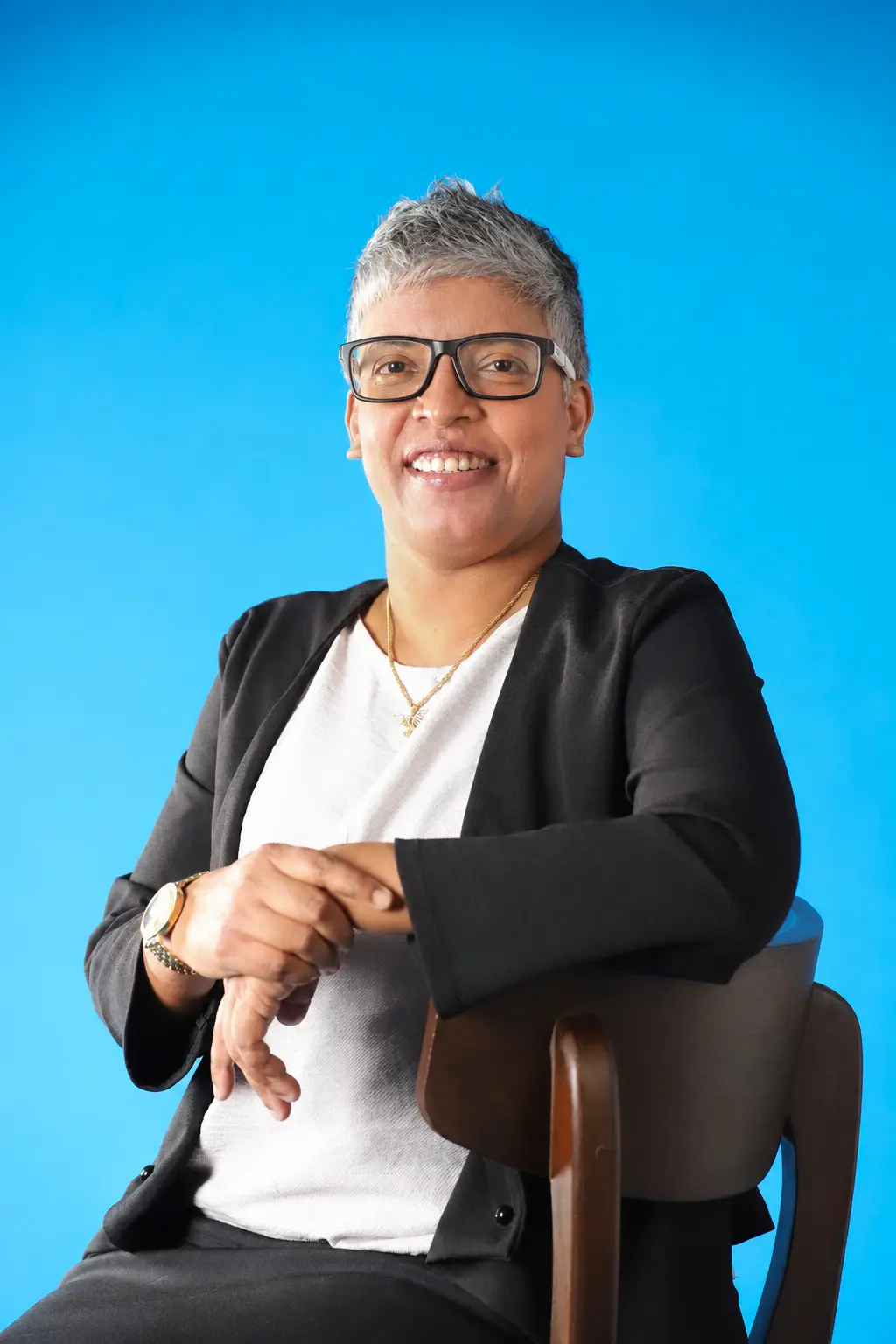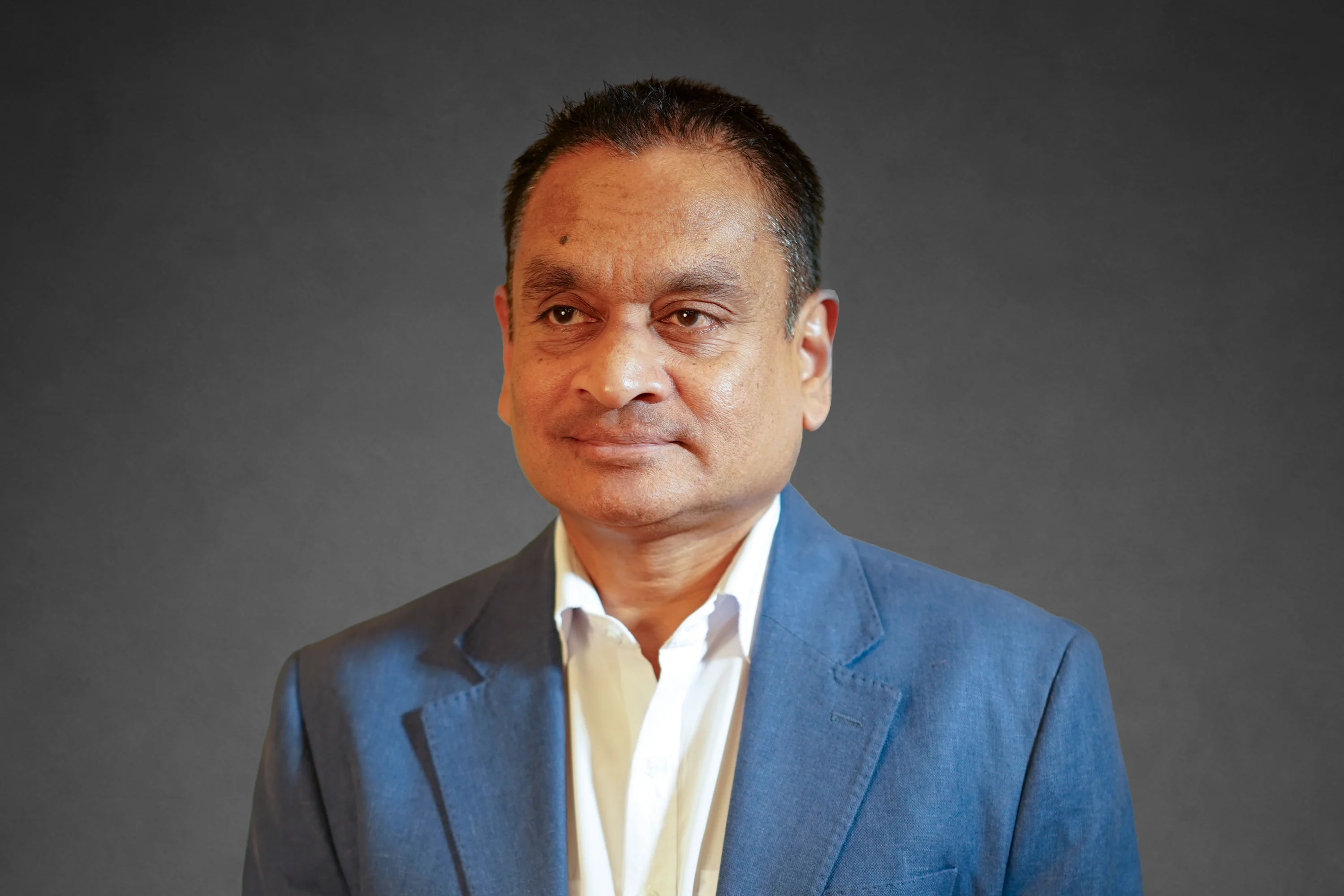
Mahesha Amarasuriya has just been promoted to Country Manager, Sri Lanka at Mastercard, following four years as Director, Account Management for Sri Lanka. The move is part of a broader restructuring across Mastercard’s South Asia operations, which now brings Sri Lanka, the Maldives, Bangladesh, Nepal and Bhutan under a more integrated leadership model. Sandun Hapugoda takes on the expanded role of Group Country Manager for all five markets, with Amarasuriya reporting to him and taking direct charge of Sri Lanka. It is the latest step in a 23 year career through corporate, retail and private banking, then cards, electronic payments and now fintech leadership, run in parallel with a quieter, less publicised life as a published poet. We sat down with her to talk about the new mandate, the friction still holding back cashless adoption, and what balance looks like on a hard day.
A Wider Mandate
The move has broadened her perspective from primarily driving business growth to shaping Mastercard’s overall direction in Sri Lanka. Growth remains a core focus, but she now spends more time aligning diverse stakeholders around a shared vision for digital payments, with an emphasis on financial inclusion, digital transformation, deeper partnerships and innovation. “My responsibility is to ensure Mastercard remains a trusted strategic partner in Sri Lanka’s economic and digital development,” she says.
From Banking to Payments
What drew her to payments is its place at the intersection of technology, commerce and human behaviour. Whenever someone starts a business, buys a product, travels, studies or accesses government services, payments are part of the journey, and innovation there has immediate, visible impact. Payments have grown from a back office banking function into a core driver of financial inclusion, digital commerce and economic growth, and being part of that in Sri Lanka has been incredibly rewarding.
Before Mastercard came years at Cargills Bank, then the newest bank in Sri Lanka, where she built the Private Banking department from the very beginning. It taught her how to launch products and also how to build the foundations, processes, partnerships, governance frameworks and teams a sustainable business needs, how to operate in a highly regulated environment, and how to balance growth with prudent risk management. That foundation now lets her bridge traditional banking and fintech.
In the Room
She has often been one of very few women, sometimes the only one, in the room. Early on that could feel intimidating, but she learned that credibility comes from preparation, expertise and consistency rather than demographics, and that diverse leadership teams decide better because they challenge assumptions. “At Mastercard, I have seen firsthand how the company actively champions women in leadership,” she says. “If my journey demonstrates anything, I hope it reassures young women that leadership roles in financial services and technology are well within reach.“
Inclusion and the Cash Habit
The next phase of financial inclusion, she says, is not simply access to payment tools but making digital payments relevant, trusted and useful in everyday life. That means expanding digital acceptance among small businesses so electronic payments are as accessible as cash, embedding payments in commerce, transport and government services, and strengthening trust through security, education and better user experiences. Inclusion should be measured by how confidently people use and benefit from it.
The barriers are less about technology than behaviour, trust and perceived value. Many consumers still see cash as the most familiar method, and small merchants often miss the benefits beyond the transaction. The industry should demonstrate value, trust and security rather than emphasise technology. When consumers experience convenience, adoption follows, and when merchants see increased sales and better record keeping, they become advocates. “The opportunity now is to make digital payments so simple and beneficial that choosing cash becomes the less attractive option.”
What Comes Next
Sri Lanka’s fintech sector is entering an exciting new phase. Over the next five years she expects deeper collaboration between banks, fintechs, technology companies and public sector institutions, with digital identity, AI driven financial services, agentic commerce and SME digitisation growing in importance. Mastercard sits at the intersection of finance, technology and global commerce, bringing expertise in cybersecurity, data analytics, fraud prevention and innovation ecosystems. “We are focused on helping build a future where Sri Lanka is not simply adopting global trends but actively shaping the next generation of digital financial services in the region.”
Balance and Poetry
On a hard day, balance does not look perfect. It can mean moving from a critical business discussion to a family responsibility within minutes, feeling that neither has received quite enough of her. Balance, she says, is built over time rather than achieved daily, and it is okay to ask for help. No one succeeds entirely alone, and a strong support system at home and work makes an enormous difference. Working parents, she believes, can help foster independence, resilience, adaptability and empathy in a child.
Her two published books of poetry moved from Sinhala verses early on to English later. Writing gives her a space with no agenda, commercial outcome or decision, whereas the boardroom demands structured, evidence based thinking directed towards action. Poetry lets her pause, observe and express something simply because it matters. Each language reflects a different stage of her life and a slightly different way of expressing emotion. She writes less regularly than she once did, but the creative instinct remains.
Advice for the Next Leaders
For those early in banking or fintech who want to lead a market, she offers four points. Build depth before chasing titles, learning the industry from the customer, bank, regulator, merchant, technology provider and payment network, because leadership means seeing the entire ecosystem. Stay curious, since what worked five years ago may not be enough five years from now. Seek challenging assignments, including roles with no ready made blueprint, as they teach resilience. And give your best to every role, treat people with respect, and do not be afraid to express your ambition.