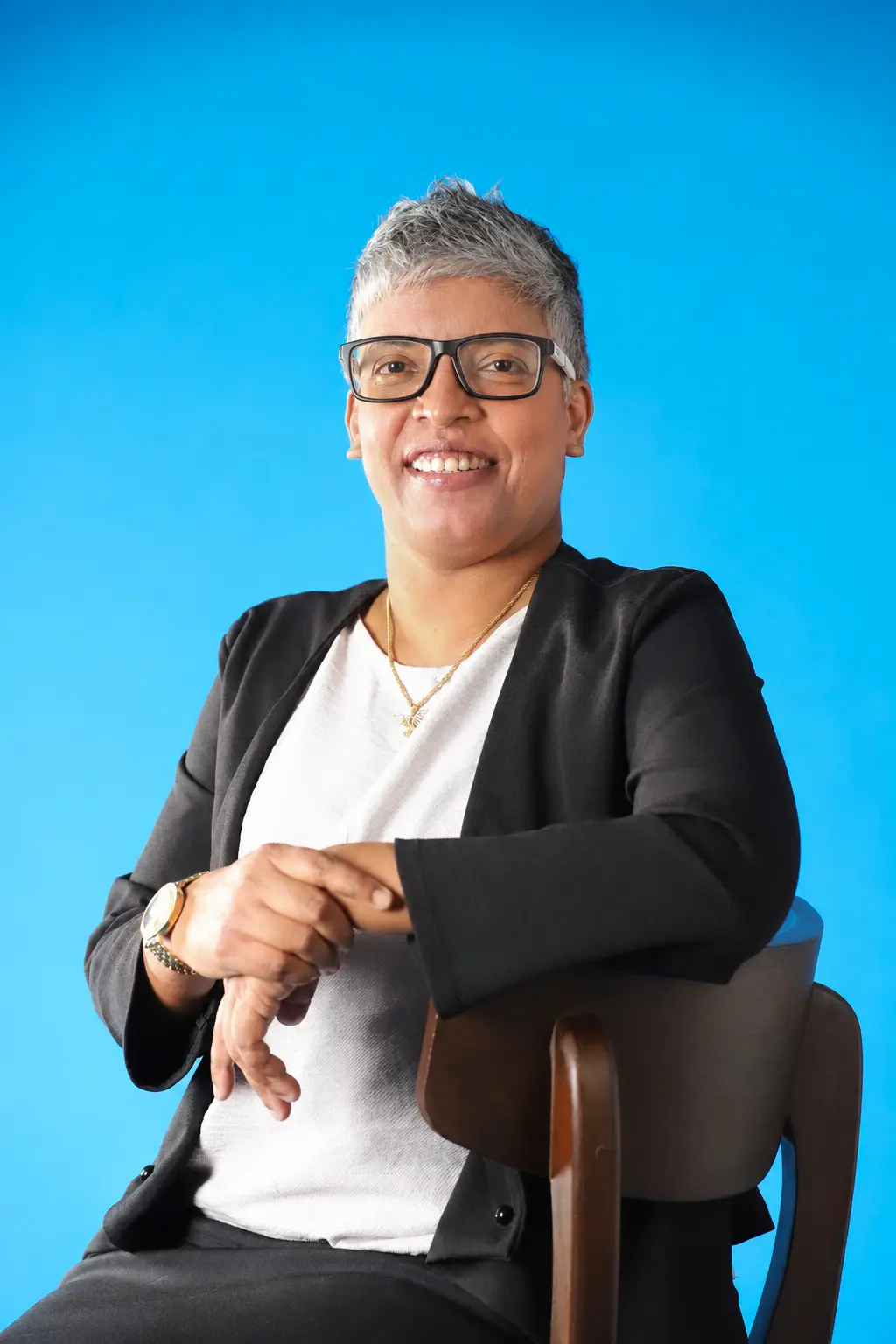
How Dr. Dilmini Udugampola took a UK pharmacy career and used it to build Sri Lanka’s largest pharmaceutical retail network
Running the largest pharmacy chain in Sri Lanka is no easy feat. For Dr. Dilmini Udugampola, taking the reins of Cargills Pharmacy and growing it from roughly 100 outlets to 350 was a matter of time, strategy and an unshakeable belief in the brand’s potential. She built that scale on a career that began in the UK, with a Government of India scholarship, a UK registration exam, and years inside two of Britain’s largest retail pharmacy chains, Tesco Pharmacy and Lloyds Pharmacy. Two decades on, she is also President-Elect of the Pharmaceutical Society of Sri Lanka, at the center of decisions about where the profession goes next.
Her path has been anything but linear. It has run through the currency shocks and price controls of a country that imports 95 percent of its medicines, and through the quieter negotiation every senior woman in a regulated industry faces: leading with authority without losing the empathy that got her there. None of it traces back to a plan written down early, but to a UK career that gave her a head start most of her Sri Lankan peers never had.
A Tale of Two Health Systems
The Government of India scholarship took her through a Bachelor of Pharmacy at Rajiv Gandhi University of Health Sciences. She then sat the UK registration examination, earned her license and spent years across hospital and community pharmacy in Britain. Inside some of the busiest retail health operations in the world, she learned what high volume demands: robust standard operating procedures, clear delegation, and teams built to hold accuracy and patient safety steady at peak times.
She also built expertise in inpatient medication management, care home medication services, adolescent health and HIV medicine management. What struck her most was the shape of the profession. In the UK, pharmacists administered vaccinations, ran health screenings, supported chronic disease management and counseled patients directly, as recognized primary healthcare providers. When she returned in 2009 to join Cargills as Operations Manager for Pharmacy, dispensing was still the industry’s center of gravity. She saw the gap as a direction of travel, one Sri Lankan pharmacy has been steadily closing.
“My UK experience showed me what pharmacy can achieve when pharmacists are empowered as healthcare providers,” she says. “It reinforced my belief that the future of pharmacy in Sri Lanka lies in successfully balancing operational excellence with expanded clinical and patient care services.”
Scaling Trust Across 350 Outlets
When she joined, the network counted roughly 100 outlets. It now has around 350, making Cargills Pharmacy the largest chain in the country and its biggest employer of pharmacists. The number that matters more to her is consistency. Sri Lanka’s prescription market is highly brand driven, so availability must hold across a network spanning the island, inside a regulatory environment that shifts constantly and rarely warns you first.
The early days brought the hardest problems: finding enough qualified pharmacists in a thin talent pool, and building credibility with government entities, where regulatory trust is earned outlet by outlet and audit by audit. She calls those years a lesson in persistence, collaboration and consistent engagement with stakeholders who had no reason to extend goodwill to a retail newcomer. Among her proudest achievements is migrating distribution from a Mattakkuliya warehouse to a purpose built pharmacy facility, which reshaped supply chain capability, inventory management and regulatory compliance in one stroke. Around it she built a disciplined, process driven workforce and digital tools for real time inventory visibility and compliance tracking at every outlet.
That rigor has been tested hard over the last two years. With roughly 95 percent of pharmaceutical needs imported, currency depreciation, freight cost spikes and price controls not revised since 2023 have squeezed margins. She leans on scale, negotiating with suppliers, tightening procurement, holding inventory buffers and sometimes absorbing cost increases to keep medicines affordable, while pushing regulators for the revisions the sector needs. “Our goal is simple,” she says. “Ensure that patients can trust us to provide affordable, accessible, and quality medicines, even in challenging times.”
Leading With Empathy in a Regulated Industry
What shaped her leadership style is her daughter, Bhanu. Motherhood is her proudest accomplishment and the source of the resilience she has drawn on through every professional setback. Her guiding principle is emotional intelligence paired with self belief: listening, patience, and respecting people for who they are rather than who a role needs them to be. A typical week runs through structured planning, supply chain reviews, compliance checks and team guidance, with tasks prioritized by urgency and followed through until closed, a discipline she credits as much as any strategy for keeping 350 outlets running smoothly.
As past General Secretary and now President Elect of the Pharmaceutical Society of Sri Lanka, she has spent two years pushing for continuous education, stronger professional development and a bigger seat for pharmacists in national healthcare decision making, so they are recognized as trusted healthcare providers with a voice in policy and patient safety. “My team knows that I lead not just with strategy, but with heart,” she says.
Her advice to young pharmacists, particularly women, is unsentimental: respect your staff for who they are, never over demand, and believe in yourself and the people around you. It is grounded in her own mentors, a boss who taught her perseverance and a colleague who modeled listening before acting.
What Comes Next for Sri Lankan Pharmacy
Her next decade of ambitions reads like a manifesto for the profession. She wants a consistent, transparent regulatory system, with National Medicines Regulatory Authority decisions grounded in industry expertise and global trends. She wants pharmacy education to lean into continuous learning and clinical exposure, so graduates step confidently into primary healthcare roles. And she wants local manufacturers pushed to compete with imports, forcing the innovation in procurement and logistics a 95 percent import dependent market needs. “We don’t just sell drugs,” she says, “we sell knowledge and wellness that people can rely on.”
The fundamentals haven’t changed since she first walked into a UK hospital pharmacy. Medicines matter, but so do the people, processes and trust built one prescription at a time. Cargills Pharmacy’s growth is less a personal achievement than a demonstration of what happens when operational discipline and patient centered care are treated as one project. If Sri Lankan pharmacy is moving toward the clinical, trusted role she found in the UK, it is in large part because she came home and started building the road.