S
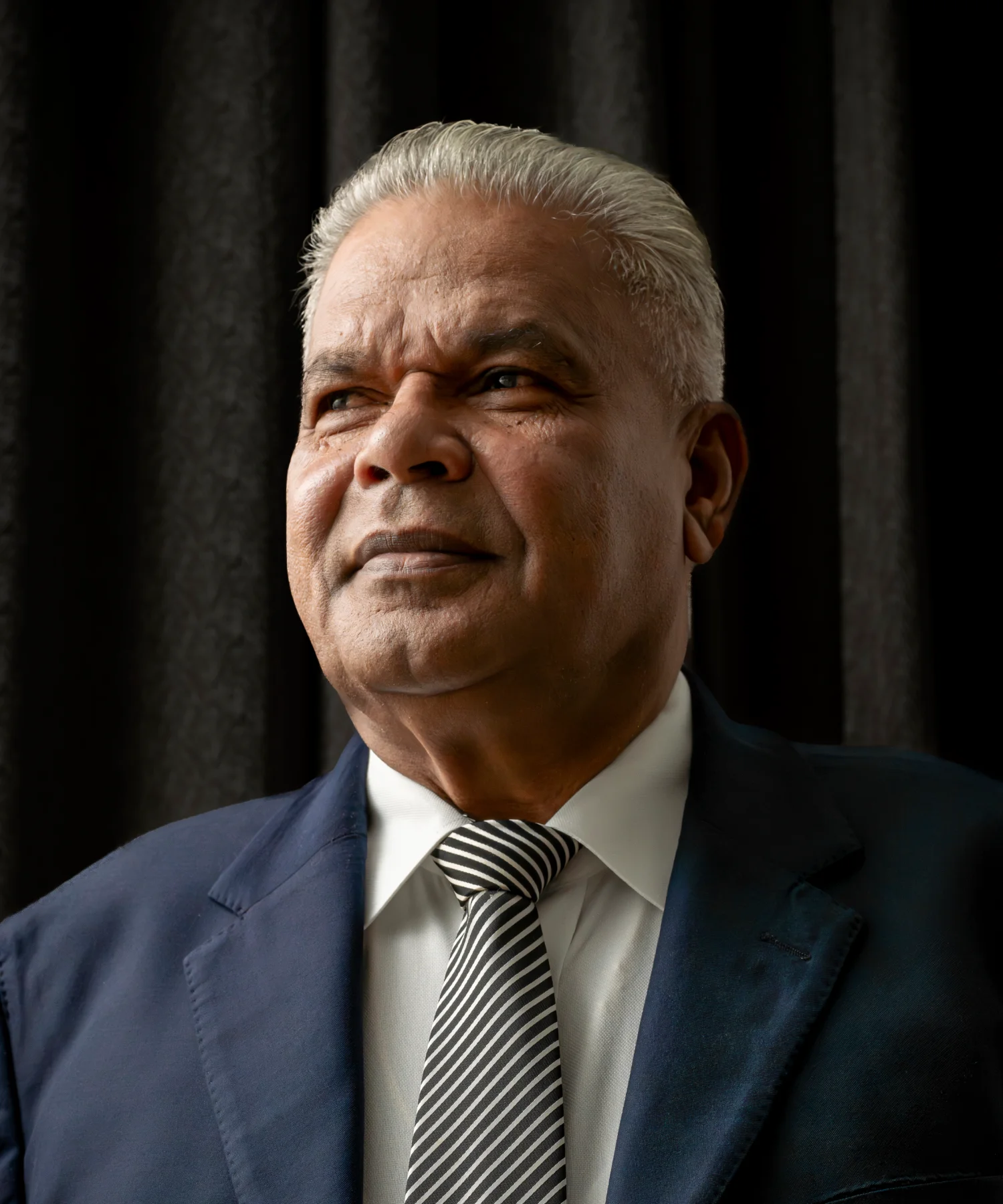
Sirisena comes from a family of twelve siblings, a household that taught him early how to share, compete, and make do with little. His working life began in 1977 after a disagreement at home led him to leave, earning five rupees a day at a garage, three of which went to food.
His father eventually convinced him to return to school, though he did not pass his Advanced Levels. It was during his service in the Sri Lanka Air Force that he found real exposure to business and leadership, an experience he describes as formative.
Ask him about the biggest challenge in growing a diversified group of companies, and his answer is honest. “We do not start it knowing where we are headed,” he says. “But we can definitely make it profitable over time with hard work.”
He points to June 6, 1986, the day his entrepreneurial journey began, entering the market at the height of Sri Lanka’s civil conflict. A turning point came in 1993, when he secured a loan of Rs. 800,000 from the Bank of Ceylon to establish his first small scale rice mill. That investment gave him a foundation to build from, and the adaptability developed in those early years remains, he says, one of the company’s greatest strengths.
His philosophy on adversity is simple. “Life is inherently filled with challenges,” he explains. “So don’t give yourself a headache or a hard time thinking about them. The only solution is your dedication and commitment to solve them.”
Discipline, People, and a Clear Eyed View of the Economy
Sirisena’s years in the Air Force shaped nearly every aspect of how he carries himself today, from how he eats to how he dresses. “Discipline is something that is absolutely necessary for not only a society to exist, but to build and grow,” he says. He even believes Sri Lanka could benefit from mandatory enlistment for eighteen year olds.
His leadership philosophy comes down to one word: people. “For every business, there needs to be a good set of team,” he says, describing success as a matter of cooperation rather than individual brilliance.
That clarity extends to the economy. Sri Lanka’s small land area and high population, he argues, mean the country must look toward better economic options than the ones it has historically relied on. On youth migration, he is direct, calling it one of the worst things happening to the economy today. His own company lost seven to eight hundred employees, many from top management, to opportunities abroad after the 2022 crisis. Still, his message to young people is not resignation but redirection, toward manufacturing rather than the service sector.
“Running a successful business is less about individual brilliance and more about the supportiveness and cooperation of the people around you.”
Succession, Patience, and What Success Feels Like
Sirisena has handed over much of daily operations to his son but has no plans to step away entirely. He describes an inherent tension between the energy of youth and the experience of an elder, and sees the older generation’s role as guiding younger decision makers away from impulsiveness.
That theme of patience resurfaces when he speaks about young professionals chasing immediate success. Sri Lanka’s population has nearly doubled since he sat his Ordinary Levels, he notes, intensifying competition that is simply the nature of society. Shortcuts to quick money exist, he says, but they rarely hold up over time.
Material milestones no longer move him the way they once did. “My only happiness is making sure my employees and my servicemen are happy,” he says. “If they are in a high standard, I am in a high standard, and that’s my biggest priority right now.”
“There is an inherent tension between the strength and energy of youth and the accumulated experience of an elder. The responsibility of the older generation is to guide younger decision makers away from impulsiveness.”
Asked whether he has accomplished his childhood dream, he pauses before answering. The lesson he wants remembered is simple. “Nothing can be done without a suitable education,” he says. “The combination of a suitable education, along with the discipline of a person, the self discipline, collectively is what makes somebody a successful human being.”