E
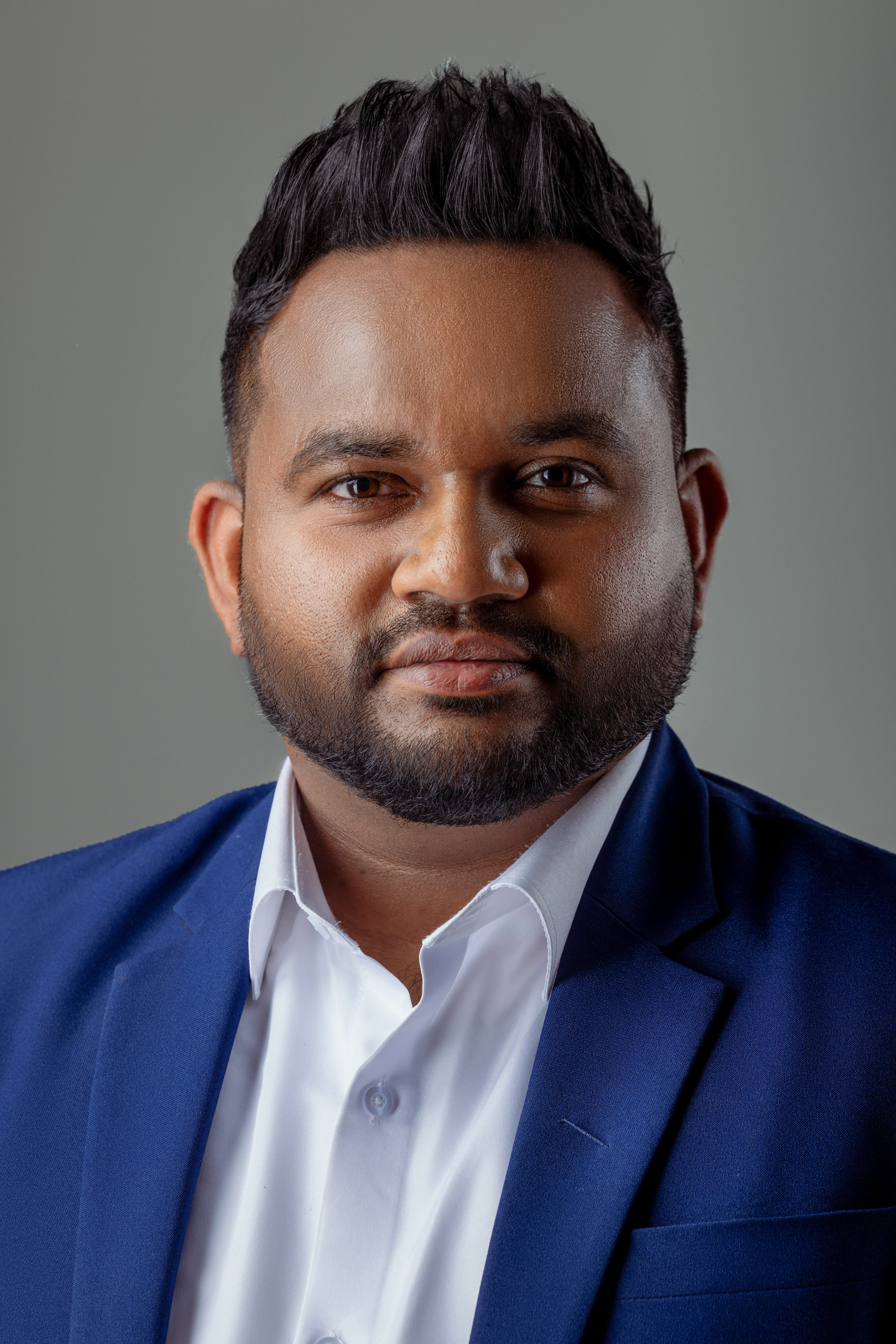
Executive profiles often come with a side of corporate rigidity, but Hashan Gunathilake, Managing Director of Leaf Lanka Holdings, is an exception. Defying the “unapproachable tycoon” stereotype, Gunathilake approaches both creative photo shoots and high-stakes business operations with humility, collaboration, and seamless efficiency. Behind the high-stakes investments and luxury automotive empires is a leader who values partnership over control—a mindset that sets the tone for his entrepreneurial journey.
At just twenty-one years old, using capital drawn from a single matured insurance policy alongside his father’s backing, Gunathilake imported one vehicle into Sri Lanka in 2015. Today, that solitary transaction has expanded into Leaf Lanka Holdings, a diversified group spanning vehicle sales, luxury tourism, solar energy, and a seventeen-acre eco-luxury wellness retreat near Riverstone in Matale. Still in his early thirties, Gunathilake’s rapid scale has made him one of Sri Lanka’s most closely watched young business leaders.
Early Entrepreneurial Instincts and Business Growth
Gunathilake’s eye for value predates Leaf Lanka. At age fifteen, when his parents planned to give away their old furniture and appliances while moving house, he saw an opportunity. After researching market prices, he negotiated a deal with a nearby car service station manager and sold the entire lot to the station’s staff within days. He handed the proceeds to his parents while keeping a modest commission. That early transaction established a lifelong pattern: an ability to spot undervalued opportunities, a willingness to negotiate directly, and a comfort with calculated risk.
When he entered the automotive trade, Gunathilake quickly recognized that success required a deep understanding of international supply networks, vehicle specifications, and fluctuating market demand. However, Leaf Lanka’s expansion beyond automotive sales was driven by necessity rather than a master plan.
During Sri Lanka’s 2022 energy crisis, vehicle import bans and economic disruption brought dealership sales to a complete halt for ten months. Refusing to remain idle, Gunathilake flew to Dubai to source and import renewable energy systems and emergency backup generators, creating a thriving solar power division. Around the same time, an informal service offering high-end transport to foreign ambassadors, visiting investors, and dignitaries—often with Gunathilake personally driving—scaled into a full-fledged luxury tourism fleet. Today, that operation handles high-profile transport for major state visits and national celebrations.
The Riverstone Eco-Retreat and Strategic Leadership
The group’s newest project is a seventeen-acre eco-luxury and wellness retreat tucked into the hills of Matale, ten kilometers from Riverstone. Backed by investment partners from the Maldives and built on land already owned by Leaf Lanka, the retreat marks a pivotal transition in Gunathilake’s leadership approach. Moving away from micromanagement, he has focused on building capable operational teams, freeing his time to concentrate on long-term strategy, personal development, and family life.
Currently in its foundational design phase, the Matale project operates on a clear division of labor: macro strategy is finalized centrally in Colombo, while ground execution is managed by a dedicated local team embedded within the community. The development adheres to strict ecological standards, incorporating closed-loop water recycling, multi-stage wastewater treatment, locally harvested and recycled construction materials, and non-disruptive building techniques to protect native wildlife. By employing local staff and artisans, the retreat aims to serve as a benchmark for sustainable development in ecologically sensitive zones.
In His Own Words: Lessons on Risk, Leadership, and Sri Lanka
Reflecting on his journey, Gunathilake shares key insights that have shaped his business philosophy:
- Early Missteps: In Leaf Lanka’s formative years, a breakdown in a partnership due to a breach of trust resulted in a major financial loss. Gunathilake views this as a vital lesson that sharpened his ability to evaluate character and separate sincerity from performance before committing to deals.
- Overcoming Micromanagement: Earlier in his career, the weight of handling every detail led to severe burnout, to the point of considering selling the business. Abandoning the belief that a founder must execute every task personally enabled him to delegate effectively and scale the business.
- Foreign Investment Myths: Gunathilake actively dispels the misconception that foreign investors in Sri Lanka must cede majority ownership or face restricted profit repatriation. Apart from a few protected sectors (such as agriculture, mining, and select retail), Sri Lanka’s foreign investment framework permits full foreign ownership and capital mobility once standard tax obligations are met.
- Advice for Young Entrepreneurs: Confidence and trust remain an entrepreneur’s greatest collateral. Gunathilake advises young founders to focus on genuine human connections, knowing their business thoroughly, and engaging with decision-makers in informal settings like international hotel lobbies, where major partnerships often begin.
Looking Ahead: The Drive Toward Twenty Sectors
Gunathilake maintains an optimistic outlook on Sri Lanka’s economic trajectory. He points to incoming infrastructure investments, luxury hospitality developments, and high-end residential real estate in Colombo as strong indicators that the country is positioning itself as a premier South Asian destination for international capital and high-net-worth travelers.
On risk management, Gunathilake takes a measured approach. He rejects far more opportunities than he accepts, insisting that absolute trust and mutual benefit remain non-negotiable prerequisites. While he believes local entrepreneurs possess the resilience to navigate complex crises, he advocates for reduced regulatory friction and streamlined permitting processes to foster private-sector growth.
Looking toward the next decade, Gunathilake envisions Leaf Lanka establishing an active presence across approximately twenty sectors. While he humbly frames this target as a personal ambition rather than a strict forecast, his track record—from reselling household goods at fifteen to steering a multi-industry group in his early thirties—demonstrates an ability to execute long-term goals.
Whether transforming a single imported vehicle into a multi-sector portfolio or navigating the strict environmental standards of the Matale sanctuary, Gunathilake’s core operating logic remains unchanged: identify unserved gaps, move swiftly to fill them, and scale only after establishing solid operational fundamentals.